Environmental impact
Bushfires leave lasting environmental damage, affecting ecosystems well beyond the fireground. They can devastate wildlife and habitats, reduce air quality through smoke and fine particles, slow native vegetation renewal, and pollute waterways with ash and debris. The following sections outline how bushfires impact wildlife, air quality, water quality and native vegetation in more detail.
Victorian Landcare Gateway
The Victorian Landcare Gateway offers a wide range of practical, evidence-based information to help landholders understand and manage native vegetation recovery after bushfire.
The site provides practical guidance on how native vegetation recovers after fire and what landholders can do to support healthy regeneration. Resources cover:
- Natural recovery of burnt bushland, tree regrowth, and the ecological value of burnt trees and leaf litter.
- Revegetation advice, including which indigenous species to plant, when to plant, and whether planting is needed at all.
- Shelterbelts for fire protection, wildlife habitat, erosion control, and farm productivity benefits, plus guidance on their design and maintenance.
- Bushfire‑resilient landscaping, including CFA garden design advice, plant selection tools, and example garden layouts for different risk environments.
- Rules for clearing vegetation, including post‑fire hazardous tree removal, and CFA’s 10/30 and 10/50 clearing rules.
Injured wildlife
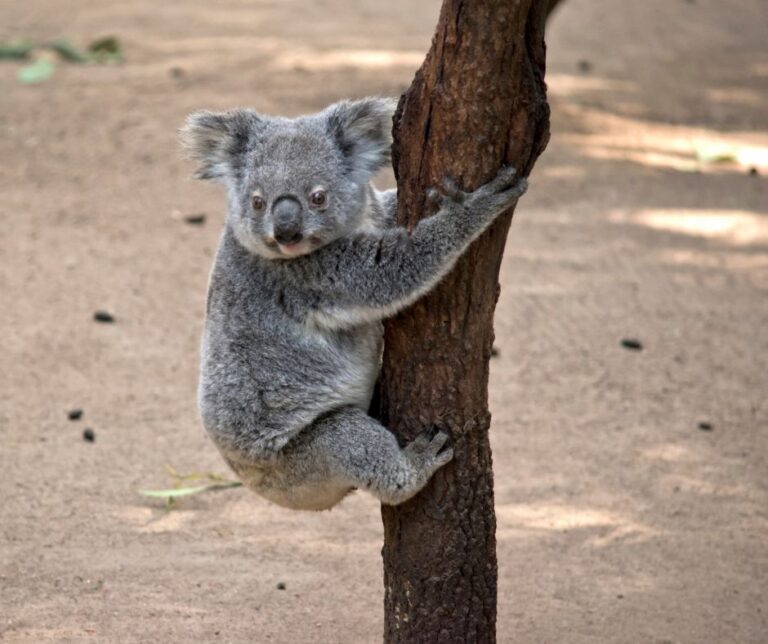
The care of sick, injured and orphaned wildlife must be referred to an authorised wildlife shelter or foster carer, wildlife rehabilitation organisation or veterinarian.
The Help for Injured Wildlife tool will help you locate and contact the closest relevant wildlife carers and rescue and rehabilitation organisations to help the injured wildlife.
Environment Protection Authority Victoria
Air quality reporting on the EPA website is updated hourly with data collected from our quality monitoring sites across Victoria. Air quality forecasts are updated daily at 5 pm with forecasts for the next 24 hours.

Water quality
Water from rivers and creeks impacted by fire is likely to contain pathogens and chemicals.
For example, firefighting activities will lead to run-off of chemicals from surrounding land; animals will seek protection near water and will contaminate the water when defecating, or worse, dying and decomposing.
As a consequence, you should immediately stop using that water for drinking, washing (including brushing teeth), preparing food and for any primary contact recreation.

Smoke and masks
While many people use masks during periods of heavy smoke, they are not universally recommended for everyone, and their effectiveness depends heavily on the type of mask and how it is worn.
Standard surgical or cloth masks are not effective against fine smoke particles because they do not filter them out and do not provide a tight face seal.
Only certified P2 respirators are designed to filter out the fine particles found in smoke, however they are not recommended for general community use.
- Individuals with Pre-existing Conditions: People with respiratory conditions such as asthma, COPD, or emphysema, and those with heart conditions, may find that masks make breathing more difficult and exacerbate their symptoms.
- Children and the Elderly: Very young children should not wear masks because of the risk of suffocation. Older adults with underlying health issues may also struggle with the reduced airflow caused by masks.
- People with Facial Hair: Most masks require a tight seal to work effectively. Facial hair often prevents this seal, rendering the mask ineffective in filtering smoke particles.
The most effective way to protect yourself from bushfire smoke is to stay indoors with windows and doors closed and avoid vigorous exercise.